Musculoskeletal Injuries & Conditions
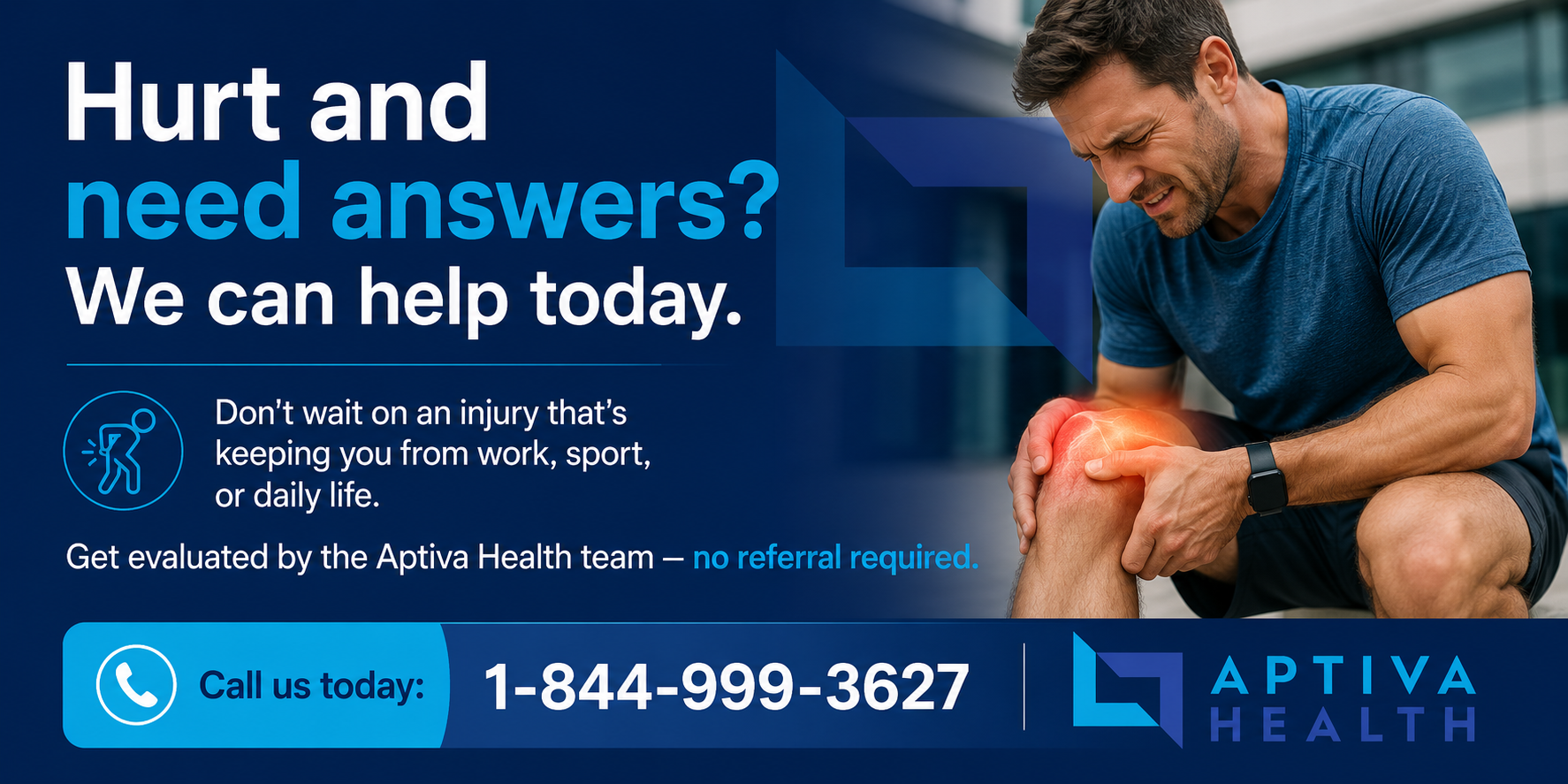
Musculoskeletal injuries are among the most common injuries we treat. They show up in the workplace, among athletes and weekend warriors, and after motor vehicle collisions, slip-and-fall accidents, and other everyday incidents. Rigorous training, repetitive motion, and sudden traumatic events can all cause them, and as we age, wear-and-tear injuries become more likely.
A musculoskeletal injury affects the muscles, bones, joints, ligaments, tendons, or other connective tissue, and it can limit your ability to work and to do the things you enjoy. At Aptiva Health, you can be evaluated, diagnosed, and treated by one connected team across Louisville, Lexington, Northern Kentucky, Elizabethtown, Mount Washington, and Indianapolis — no referral required.
Musculoskeletal pain can be acute, meaning it is sudden and severe. Or the pain can be chronic (long-lasting). You may have localized pain (in one area of your body), or it may affect your entire body.
Musculoskeletal pain is pain that affects:
Bones.
Joints.
Ligaments.
Muscles.
Tendons.
Schedule your appointment today!

The most common types of musculoskeletal pain include:
Bone pain: Injuries such as bone fractures or other musculoskeletal injuries cause bone pain. Less commonly, a tumor may cause bone pain.
Joint pain: Stiffness and inflammation often accompany joint pain. For many people, joint pain gets better with rest and worsens with activity.
Muscle pain: Muscle spasms, cramps and injuries can all cause muscle pain. Some infections or tumors may also lead to muscle pain.
Tendon and ligament pain: Ligaments and tendons are strong bands of tissue that connect your joints and bones. Sprains, strains and overuse injuries can lead to tendon or ligament pain.
At Aptiva Health, we offer same-day and walk-in appointments for musculoskeletal injury and conditions to evaluate, diagnose, and make the appropriate referral for additional treatment based upon your specific musculoskeletal injury or condition. We treat these conditions in our General Medicine, Orthopedics, Sports Medicine, Pain Management, and Physical Therapy departments.
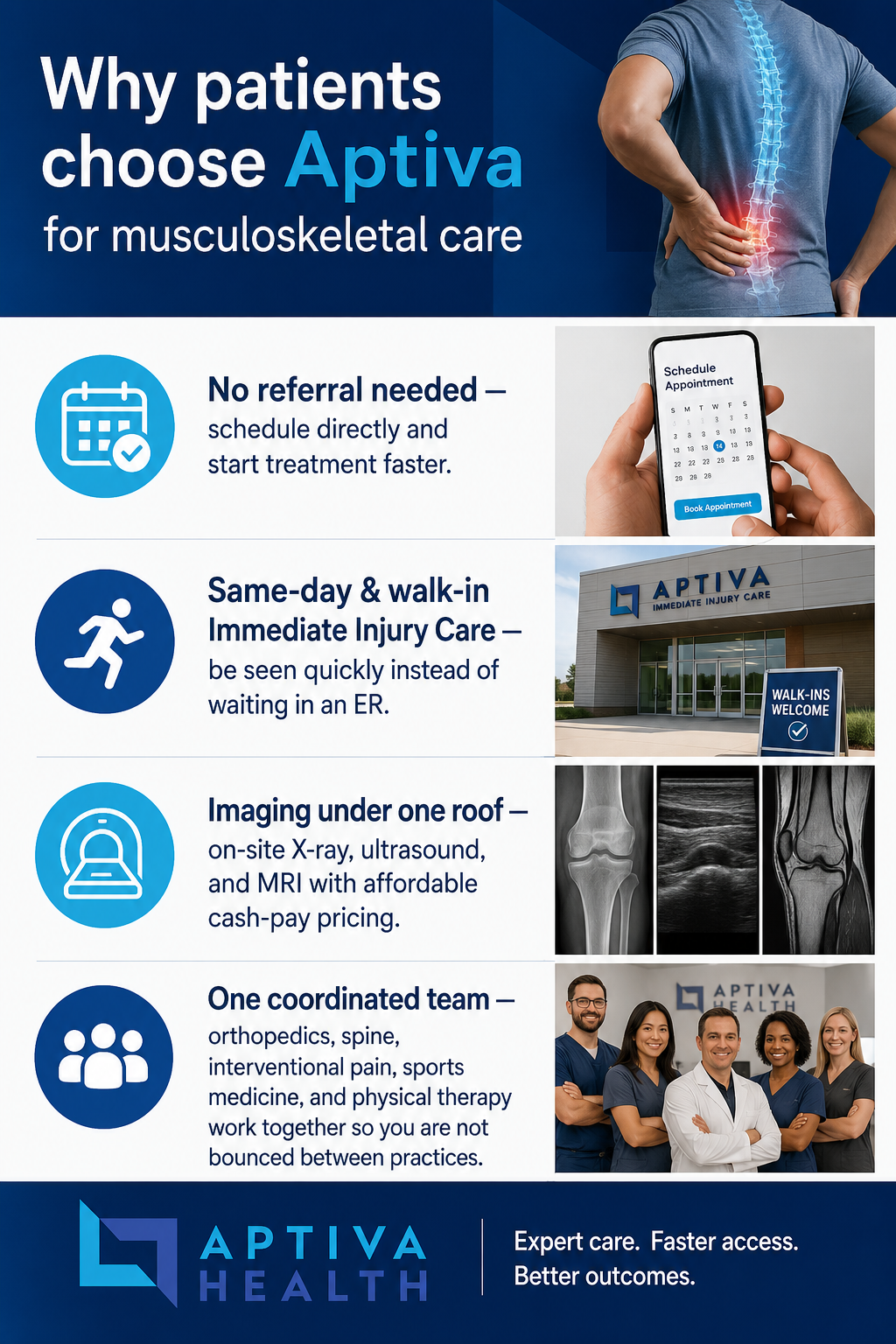
Why patients choose Aptiva for musculoskeletal care:
No referral needed — schedule directly and start treatment faster.
Same-day & walk-in Immediate Injury Care — be seen quickly instead of waiting in an ER.
Imaging under one roof — on-site X-ray, ultrasound, and MRI with affordable cash-pay pricing.
One coordinated team — orthopedics, spine, interventional pain, sports medicine, and physical therapy work together so you are not bounced between practices.

Common Symptoms
People with musculoskeletal injuries and conditions sometimes complain that their entire body aches. Their muscles may feel like they have been pulled or overworked. Sometimes, the muscles twitch or burn. Symptoms vary from person to person, but some common symptoms of musculoskeletal injuries and conditions are:
Pain
Swelling
Inflammation
Limited flexibility
Reduced or complete loss of function
Difficulty weight bearing
Fatigue
Aching and stiffness
Pain the worsens with movement
Burning sensations in the muscles
Sleep disturbances
Muscle twitching
Diagnosis
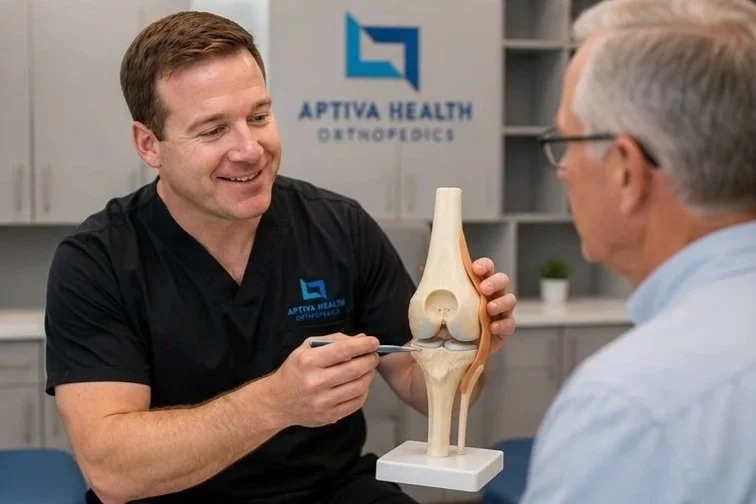
Your doctor will conduct a thorough physical examination and medical history. In some cases, your doctor might suggest tests such as:
X-ray. X-ray is used to help detect bone fractures and degenerative joint disease.
Computerized tomography (CT) scan. CT scanners combine X-rays taken from many different angles, to create cross-sectional images of the inside of your body. CT scans can help diagnose bone problems and subtle fractures. A special kind of CT scan can accurately identify gout even when the joint is not inflamed.
Ultrasound. This technology uses sound waves to produce real-time images of the soft tissue structures within and around an affected limb. Your doctor may want to move your knee into different positions during the ultrasound to check for specific problems.
Magnetic resonance imaging (MRI). An MRI uses radio waves and a powerful magnet to create 3D images of the inside of your body. This test is particularly useful in revealing injuries to soft tissues such as ligaments, tendons, cartilage and muscles.
LAB TESTS
If your doctor suspects an infection or inflammation, you're likely to have blood tests sent to a laboratory for analysis.

Treatments
You will need to provide a medical history and information about how the injury occurred, and undergo a physical examination.
During the physical examination, your health care professional will palpate the area and ask about the degree of pain or tenderness. You will be asked to move the injured area to test its range of motion as well.
Your course of treatment will depend on the location and severity of your injury. Initial treatment for many musculoskeletal injuries is aimed at controlling inflammation and promoting the healing response.
The acronym R.I.C.E. is a helpful guide for the immediate treatment of most acute injuries. When performing R.I.C.E. treatment, you will take the following steps:
Rest: Limit the forces acting on the injured part of the body. This generally means limiting activity, and it may mean using crutches, a sling, or another aid to fully rest the area.
Ice: Ice is helpful at controlling swelling and inflammation, and it can also help tremendously with pain reduction. Many athletes who ice an acute injury find they don't need pain pills to help alleviate discomfort.
Compress: Compression is performed by snugly, but not tightly, wrapping the injured part of the body with a compression bandage. Too-tight constriction can cause worsening of your symptoms and other problems.
Elevate: Elevating the injured extremity can also help reduce swelling and inflammation and, in turn, reduce pain.
After the initial healing period, your doctor will determine what, if any, additional treatment is needed and may refer you to our another specialist within our group for your specific injury.
Additional treatments for musculoskeletal injuries include:
Medication for inflammation and pain
Pain-relieving injections, such as a corticosteroid, PRP, or stem cell
Cupping
Scraping
Kinesiotaping
Traction
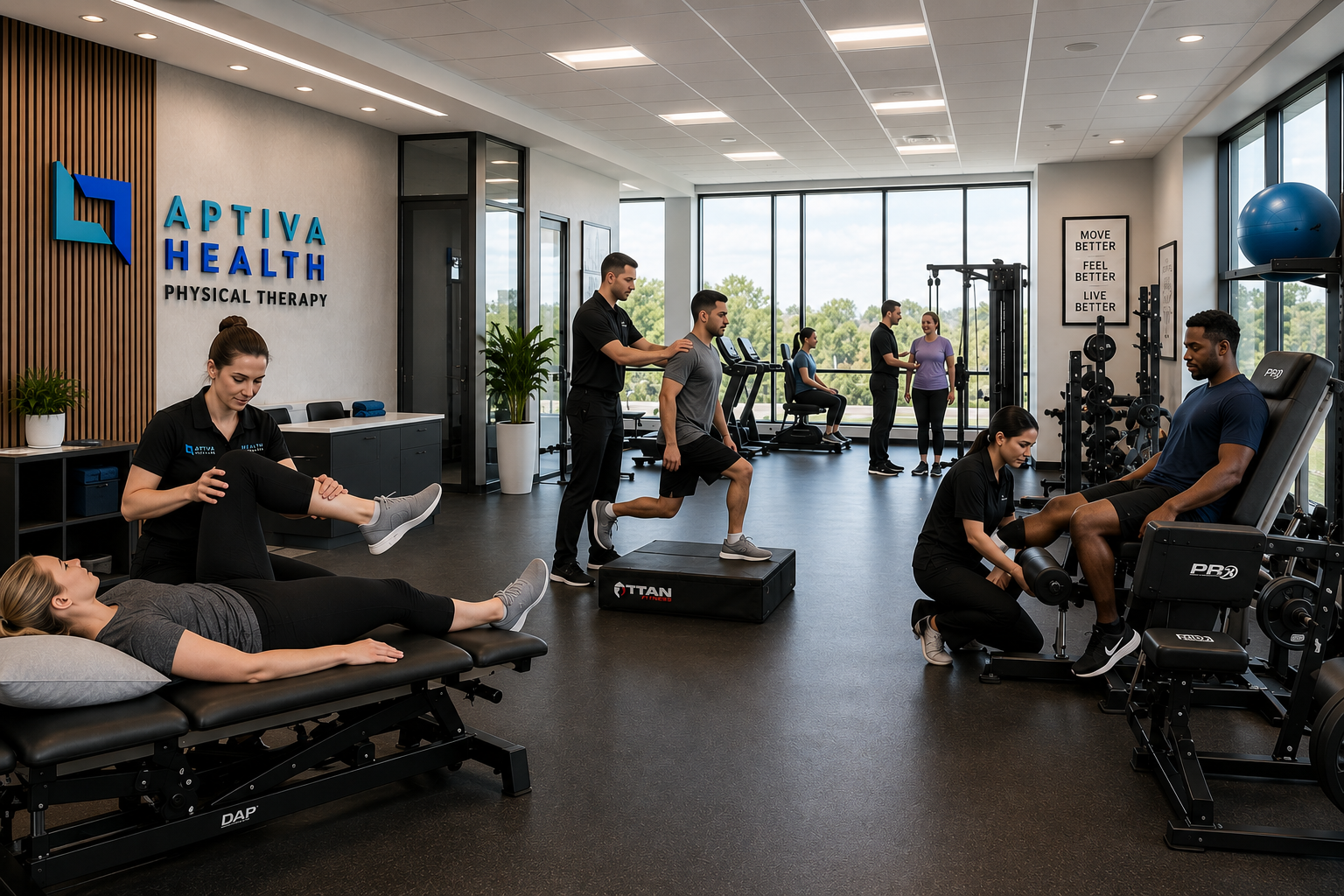
We treat musculoskeletal conditions across our Orthopedics, Sports Medicine, Interventional Pain, Physical Therapy, and Imaging departments.
Conditions We Treat
Musculoskeletal injuries cover a wide range of specific conditions. Explore the ones most relevant to you:
Joints & extremities
Soft tissue & overuse
Bone & degenerative
Injury cause categories
Frequently Asked Questions
What is a musculoskeletal injury?
A musculoskeletal injury is any injury or condition that affects the muscles, bones, joints, ligaments, tendons, or other connective tissue. These injuries can be acute, meaning sudden and severe, or chronic and long-lasting, and they often limit your ability to work and complete everyday activities. Common causes include sports and overuse, workplace strain, motor vehicle collisions, slip-and-fall accidents, and age-related wear and tear.
What are the symptoms of a musculoskeletal injury or condition?
Symptoms vary from person to person, but common signs include pain, swelling, inflammation, limited flexibility, reduced or complete loss of function, difficulty bearing weight, aching and stiffness, burning sensations in the muscles, muscle twitching, sleep disturbances, and pain that worsens with movement. If your symptoms are severe, are not improving, or follow a significant injury, you should be evaluated promptly.
Do I need a referral to be seen for a musculoskeletal injury at Aptiva Health?
No. You do not need a referral to be seen at Aptiva Health. You can schedule directly with our orthopedic, sports medicine, interventional pain, and physical therapy teams, which helps you start treatment faster and avoid the delay of going through another provider first.
Can I get a same-day or walk-in appointment for a musculoskeletal injury?
Yes. Aptiva Health offers same-day and walk-in Immediate Injury Care so you can be evaluated quickly rather than waiting in an emergency room or for a future appointment. Our team can examine the injury, order any needed imaging, and direct you to the right specialist within our group on the same visit.
How are musculoskeletal injuries diagnosed?
Diagnosis begins with a thorough physical examination and medical history. Depending on your symptoms, your provider may order imaging such as X-ray to detect fractures and degenerative joint disease, a CT scan for subtle fractures and bone problems, ultrasound to evaluate soft tissue in real time, or MRI to reveal injuries to ligaments, tendons, cartilage, and muscles. Blood tests may be ordered if an infection or inflammatory condition is suspected.
Does Aptiva Health offer affordable MRI for musculoskeletal injuries?
Yes. Aptiva Health offers on-site MRI and imaging with transparent, affordable cash-pay pricing that is often a fraction of hospital-system rates. Having imaging in-house means your scan, your results, and your follow-up treatment can be coordinated through one connected team.
Where can I get treated for a musculoskeletal injury in Kentucky or Indiana?
Aptiva Health treats musculoskeletal injuries and conditions at locations across Louisville (East, Downtown, and Middletown), Lexington, Northern Kentucky in Hebron, Elizabethtown, Mount Washington, and Indianapolis. You can call 1-844-999-3627 or schedule online to be seen at the location most convenient for you.
What treatments are available for musculoskeletal injuries?
Treatment depends on the location and severity of the injury. Many acute injuries respond to the R.I.C.E. approach of rest, ice, compression, and elevation. Additional options include bracing, anti-inflammatory and pain medication, pain-relieving injections such as corticosteroid or PRP, physical therapy, massage therapy, dry needling, cupping, scraping, kinesiotaping, traction, and interventional pain management procedures. Because orthopedics, spine, interventional pain, sports medicine, and physical therapy are all under one roof at Aptiva Health, your care can be coordinated without outside referrals.